Biella - Italian Capital of Wool
Centuries-Old Tradition of Wool Production
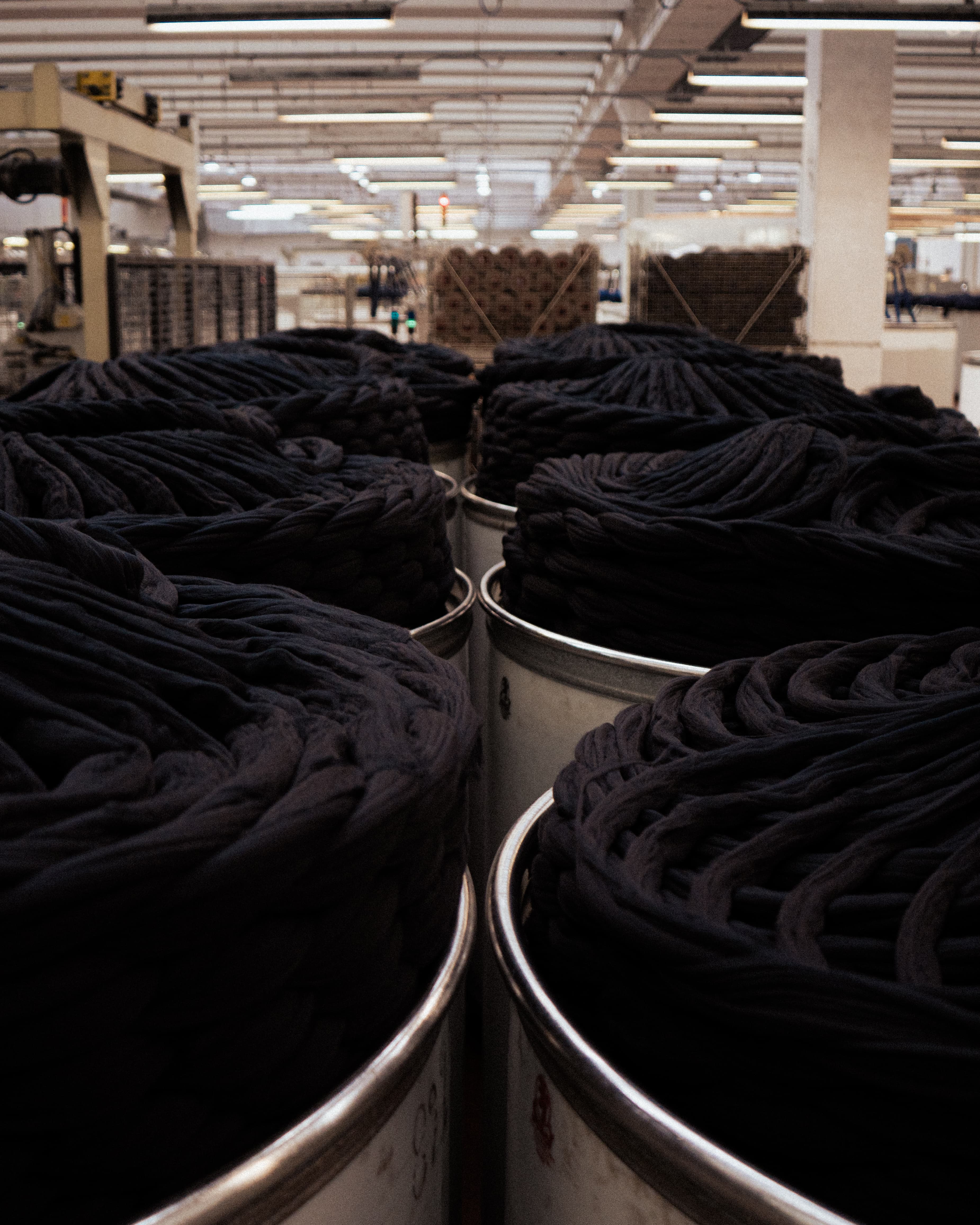
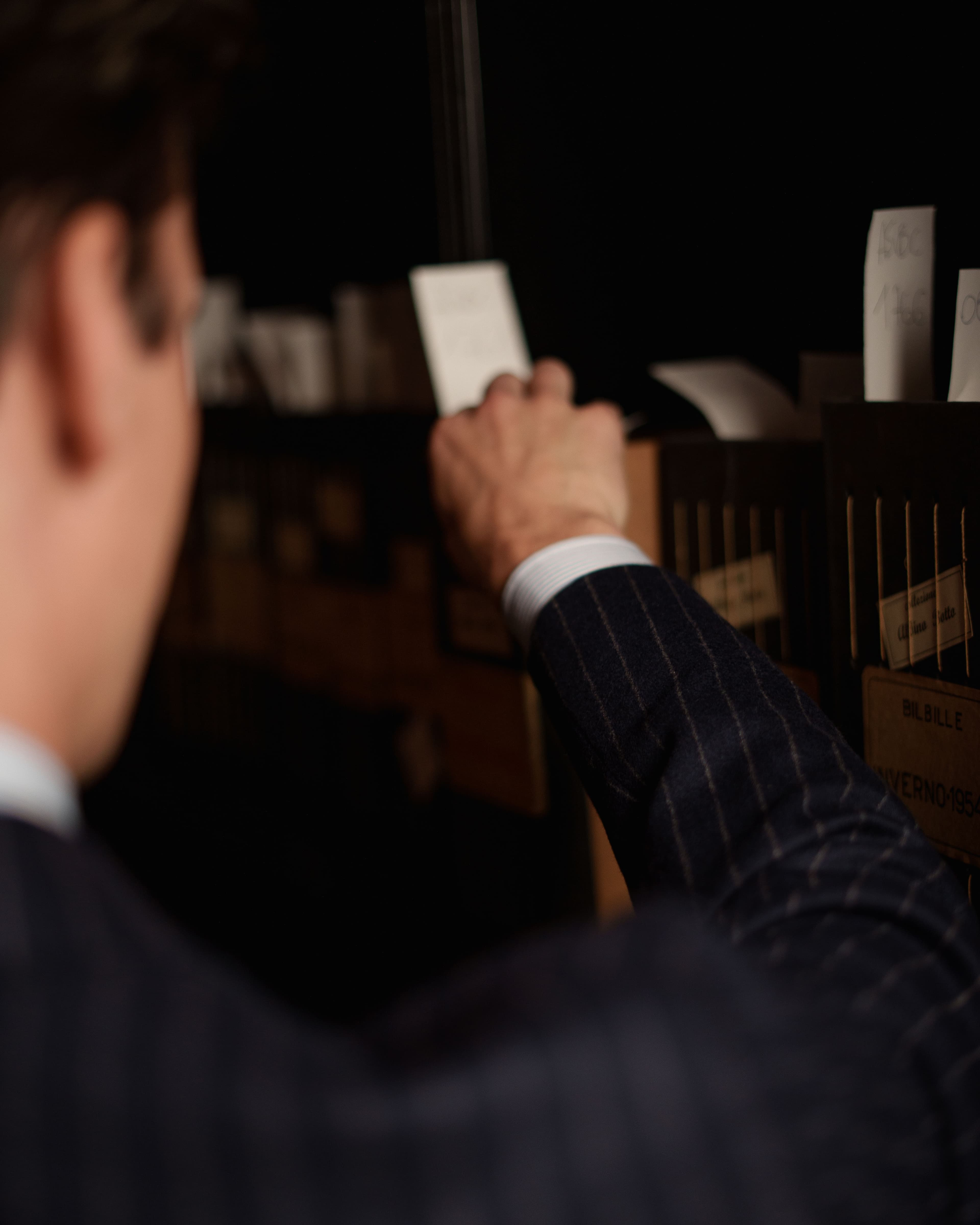
Biella’s wool heritage stretches back hundreds of years. Wool production in the region began in the Middle Ages, and by the 19th century, Biella had become a major hub for high-quality textiles, especially wool. Local families and companies have passed down textile-making skills through generations, maintaining a deep cultural connection to the craft.
Ideal Geography and Climate
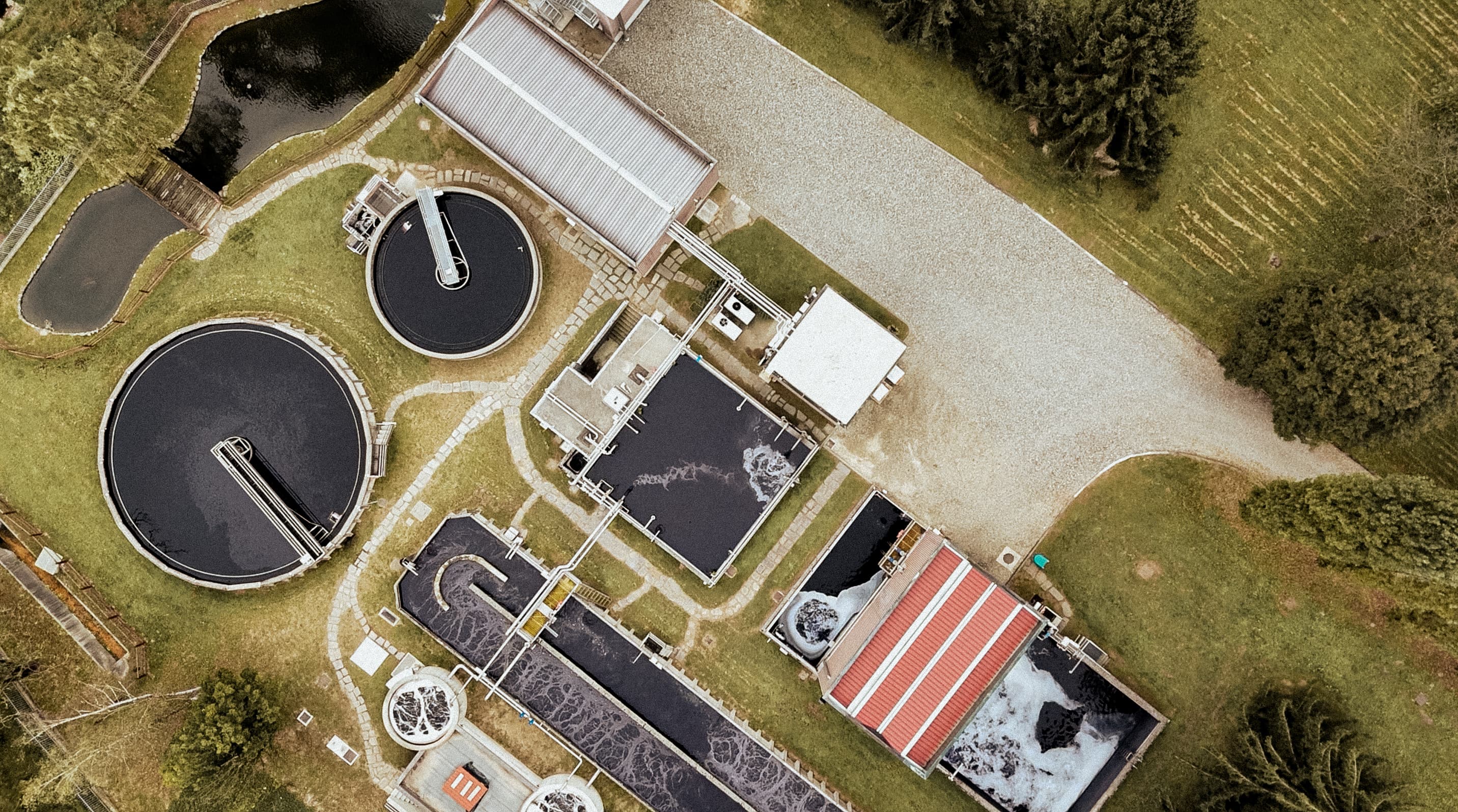
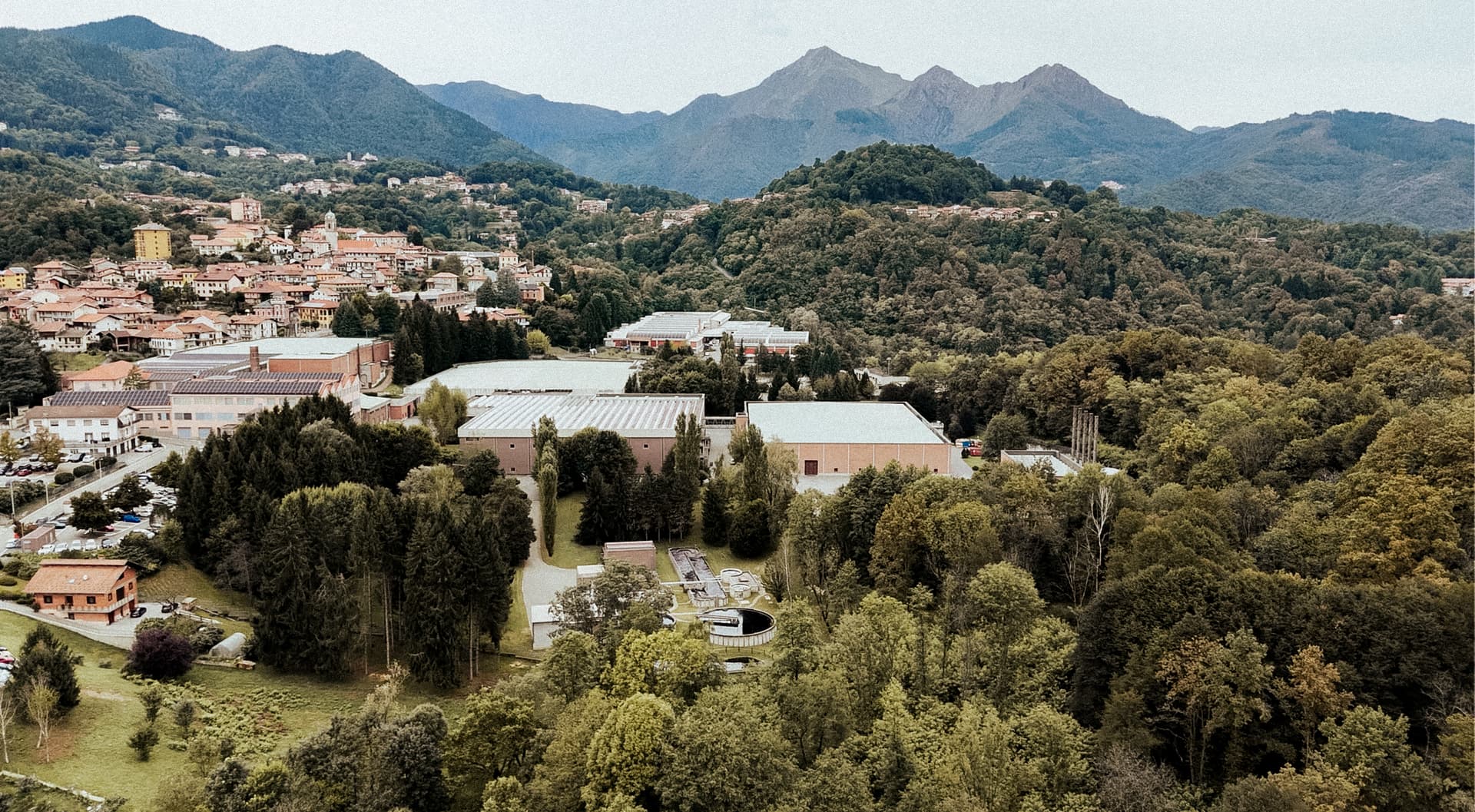
The Biella region is located in the foothills of the Alps, providing access to fresh, pure mountain water from the surrounding rivers and streams. This clean water is perfect for washing wool, dying fabrics, and other important textile processes. Additionally, the climate and environment are suitable for raising high-quality sheep, which produce fine wool fibers.
Access to High-Quality Raw Materials
Historically, Biella's proximity to major European trade routes allowed the town to import the best raw wool from different parts of the world, including Australia and New Zealand, which are known for their superior wool. This helped ensure that Biella manufacturers could produce the finest-quality wool textiles.

Skilled Artisans and Expertise
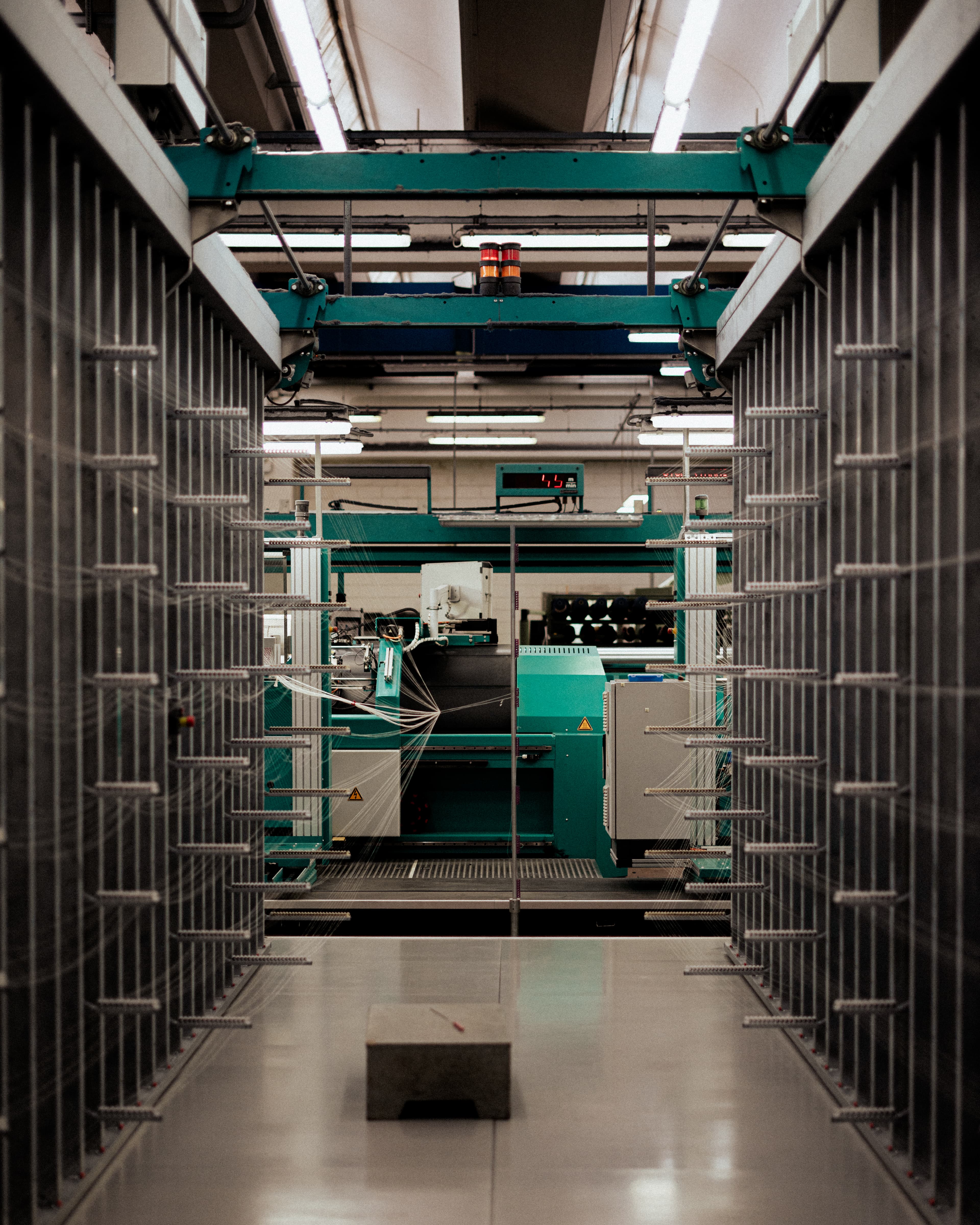
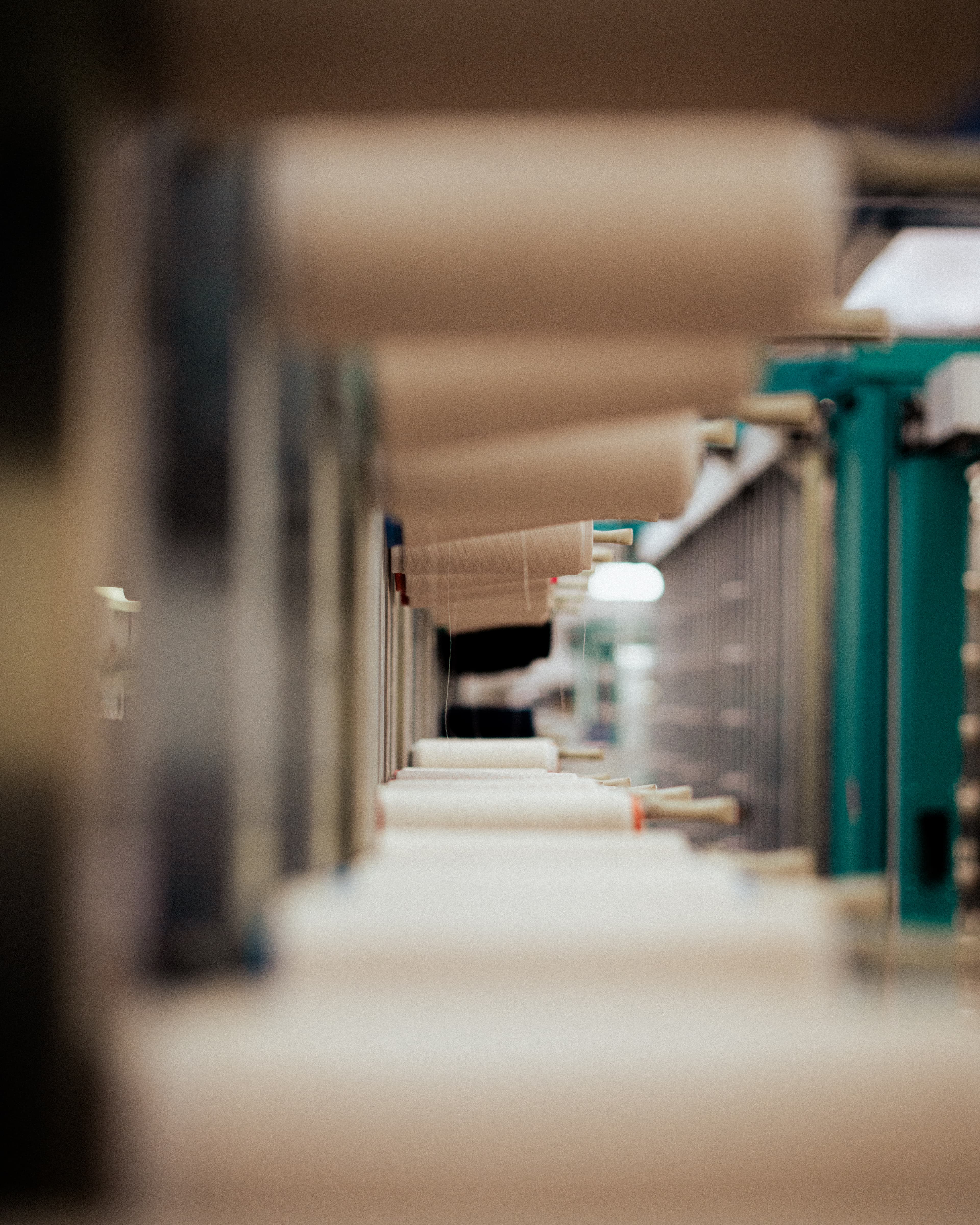
Biella has long been home to highly skilled artisans who have perfected the art of wool processing. The expertise in spinning, weaving, and finishing woolen fabrics in Biella is renowned, and these skills have been refined over generations.
Technological Innovation
Over the centuries, Biella’s wool industry has consistently adopted and pioneered textile technologies. From early mechanization during the Industrial Revolution to modern computerized looms and sustainable textile production techniques today, Biella has remained at the forefront of textile innovation.
Reputation for High-Quality Wool Products
Many of Italy’s most prestigious wool and luxury clothing brands are based in or around Biella. Iconic companies such as Ermenegildo Zegna, Loro Piana, Vitale Barberis Canonico, and Piacenza Cashmere are headquartered there. These brands are known for their exceptional quality, often using wool sourced and processed in Biella to create world-renowned fabrics.
Sustainability and Ethical Production
In recent years, Biella has focused on sustainable and ethical wool production. Many companies in the region adhere to eco-friendly practices and support ethical treatment of animals, ensuring that Biella’s wool industry remains relevant in a world increasingly concerned with sustainability.
Textile Institutes and Research Centers
Biella is also home to various textile research centers and institutions, such as the Centro Tessile Cotoniero e Abbigliamento (Cotonificio Research Center), which helps promote innovation, quality control, and sustainability in the industry. These institutions provide training and research that contribute to Biella's leadership in wool and textile production.
Textile District and Economy
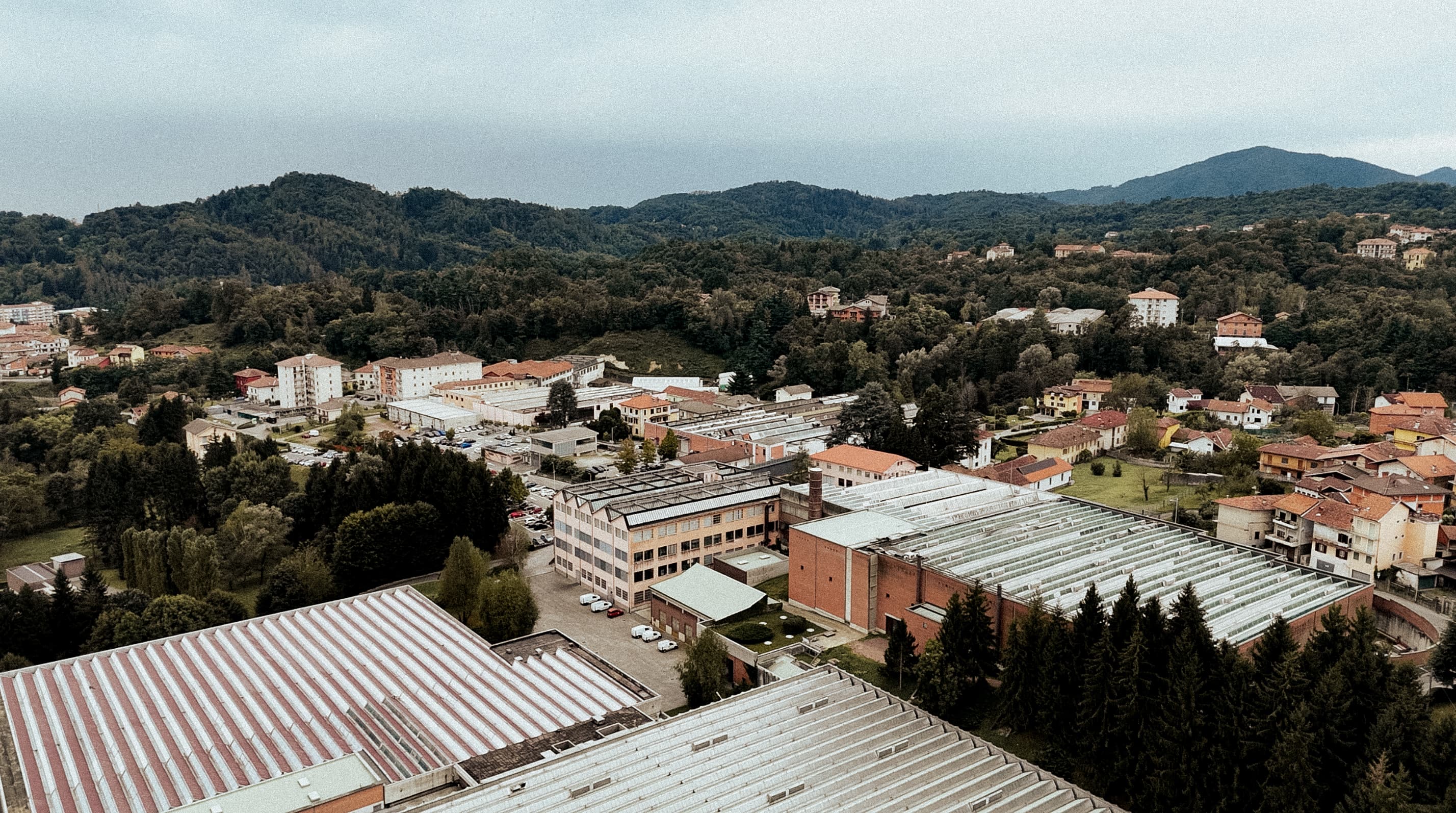
The town forms part of Italy’s "Textile District," where wool-related industries dominate the local economy. Wool processing, dyeing, and finishing are integral to the area’s economy, providing employment and ensuring the town’s identity as a textile hub remains strong.
In summary, Biella’s status as the wool capital of Italy is built on a combination of its long-standing traditions, ideal geographic conditions, skilled artisans, access to high-quality materials, innovation, and a commitment to sustainability. These factors have allowed Biella to become synonymous with luxury wool fabrics worldwide.